Introduction
Humans have always shaped their environment and at the same time affected the living conditions of many species. The main causes of biodiversity loss are changes in terrestrial and marine ecosystems, such as overfishing, the spread of invasive species, and deforestation.
By growing our consumption of natural resources, we are causing biodiversity loss at an unprecedented rate. More conservation measures must be taken if the planet’s biodiversity is to be preserved.
Biodiversity loss is not just an environmental issue. It also has implications for important human activities such as food production.
Biodiversity under threat
Biodiversity loss is one of the biggest environmental problems affecting our planet. Human-induced destruction and fragmentation of habitats are among the greatest threats to Earth’s biodiversity.
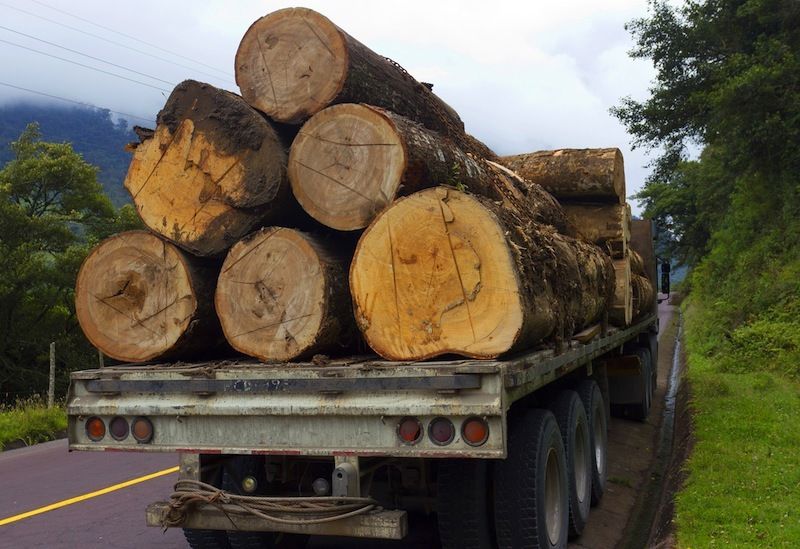
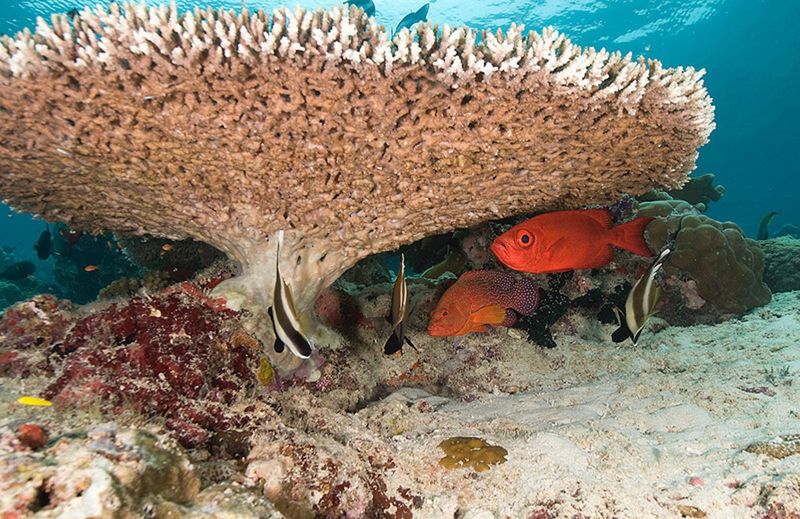
Today, natural ecosystems are being destroyed by human activities such as construction, industry and agriculture. Two of the most famous examples are the rapid destruction of tropical rainforests and coral reefs. Both ecosystems are among the most biodiverse on planet Earth, but they are under threat of disappearing due to human activity. One of the main causes of rainforest deforestation is the rapid increase in the production of meat, soya and biofuels in tropical areas. Coral reefs are threatened by factors such as fishing and climate change.
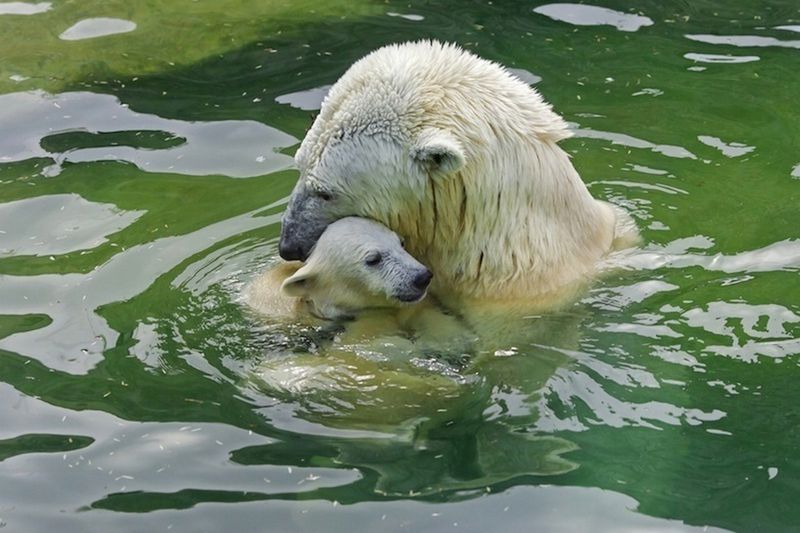
Rapid changes in Earth's climate threaten biodiversity, as species often do not have enough time to adapt to them. Climate change alters the distribution of vegetation and individual species. Arctic species in particular are rapidly losing their habitats. Invasive species may also pose a threat to native species.
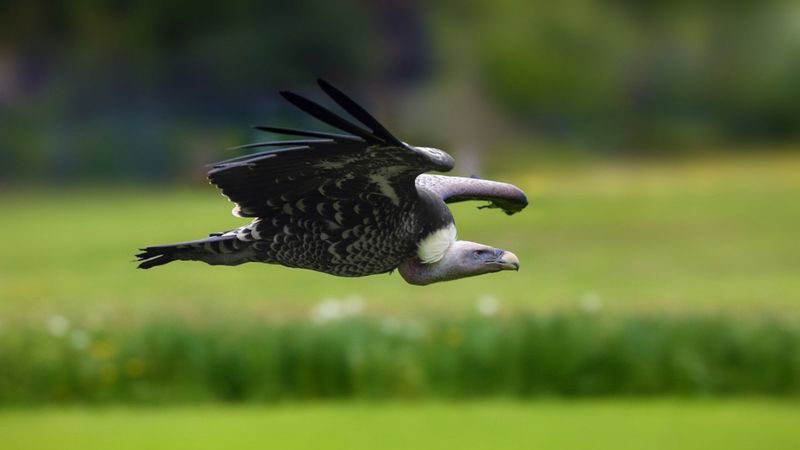
To safeguard biodiversity, it is important to protect species and conserve their habitats. One of the objectives of species conservation is to maintain vital populations of species. Different species require different conservation measures. In addition to national measures, international cooperation is needed. For example, the conservation of migratory birds requires actions to be taken in many different countries.
The European Union's territorial directives regulate the protection of species in its member states. The Rio de Janeiro Convention on Biodiversity (1992) is an international agreement on the conservation of biodiversity made by the United Nations. Its main objective is to protect the diversity of the Earth's ecosystems, species and their genetic resources.
Endangered animal species

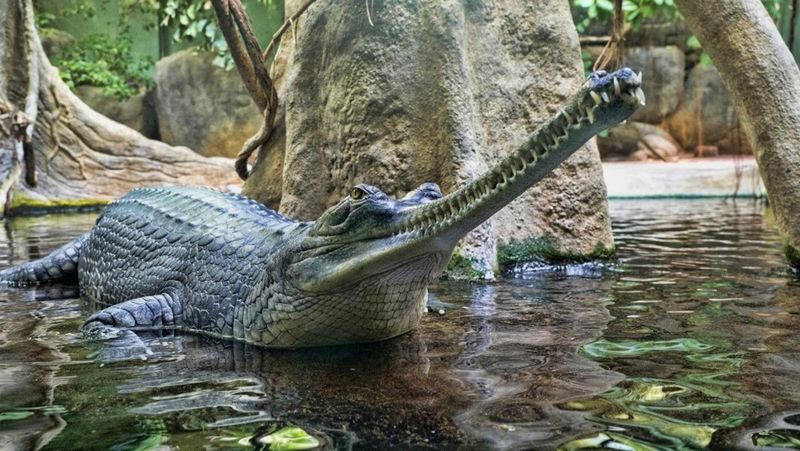

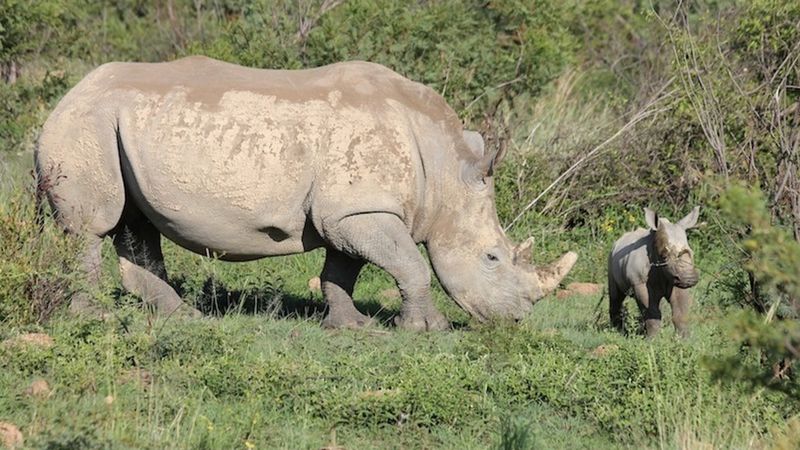
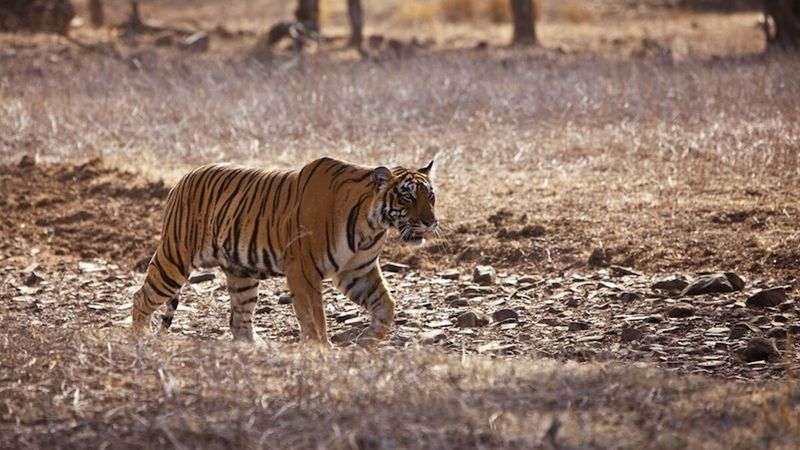


Humans are not the only cause of extinction
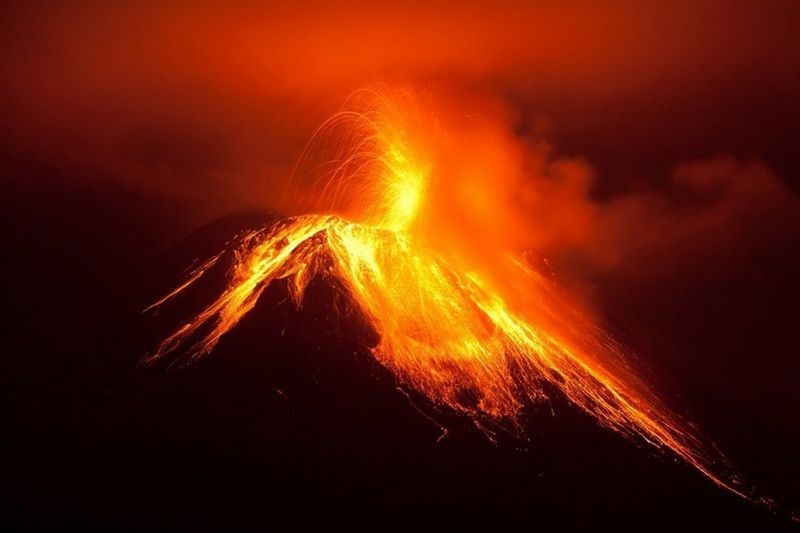
The extinction of species is an evolutionary phenomenon. It is estimated that 95-99 % of the species that once lived on Earth are now extinct. There have been five major mass extinctions or extinction waves in the history of life on Earth. The most recent, the mass extinction that wiped out the dinosaurs, is the most famous of these. The causes of all extinctions are not known with certainty. Previous extinction waves have been accompanied by rapid climate changes caused by asteroid impacts or volcanic eruptions.
As conditions have changed, species have either adapted to them or become extinct. Humans are therefore not the only factor affecting biodiversity on Earth. The current period of mass extinction is called the sixth wave of extinction. It differs from previous extinctions in that it is caused by one species, humans.
What makes a species endangered?
Before determining whether a species is endangered, it is necessary to assess whether there is sufficient information on the species to make a reliable threat assessment.
Endangered species are classified into near-threatened, vulnerable, endangered and critically endangered species.
Species classified as critically endangered face an imminent threat of extinction. A critically endangered species is at high risk of disappearing in the near future.
An endangered species is at high risk of disappearing from the wild in the medium term. Near threatened species are species that are either rare or have declining populations. A species is considered extinct when the last individual of the population is dead. A species that is classified as regionally extinct has died out in a certain area but can be reintroduced into the region. A species is classified as extinct in the wild if no individuals of the species have been found in its known natural range.
A species may be excluded from endangerment evaluation if it is an alien species or only lives in proximity to humans.
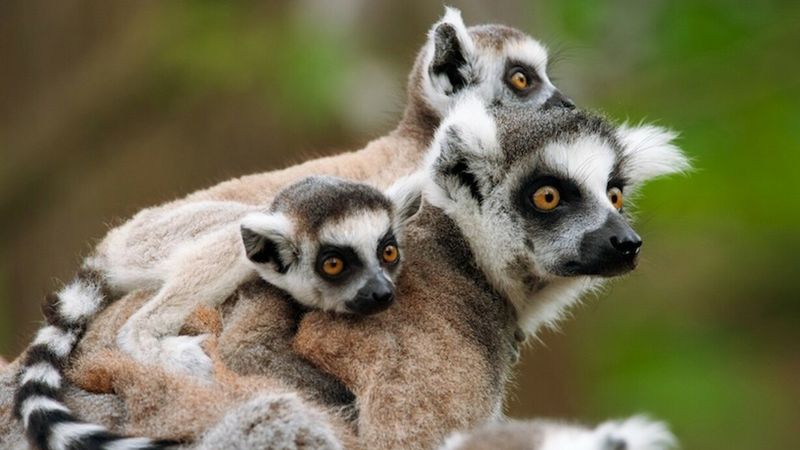
The International Union for Conservation of Nature publishes a series of books (known as the Red Books) on the world's endangered species. Endangered mammals include tigers, Asian elephants, rhinos, orangutans, polar bears, amur leopards and giant pandas. Nations can also have their own lists of endangered species.
Levels of endangerment
Category | Description |
Regionally extinct (RE) | Species that have disappeared from the area under consideration but still occur in other parts of the world are classified as extinct. |
Critically endangered (CR) | The species is considered to be at a high risk of becoming extinct in the wild in the long term. |
Endangered (EN) | The species is considered to be at risk of becoming extinct in the wild in the medium term. |
Vulnerable (VU) | The species is considered to be at risk of becoming extinct in the wild in the long term. |
Near threatened (NT) | A species is considered as near threatened when it is not currently endangered, but there is still a high risk that it can become endangered in the near future. |
Data deficient (DD) | A species is classified as data deficient when information on its distribution, population status and potential threats is insufficient to make a direct or indirect assessment of the risk of its extinction. |
Least concern (LC) | A species is considered to be of least concern when its populations are healthy and abundant, and it is not in danger of becoming endangered in the near future. |
Not evaluated (NE) | The endangerment status of alien and invasive species is not evaluated. |


Causes of biodiversity loss
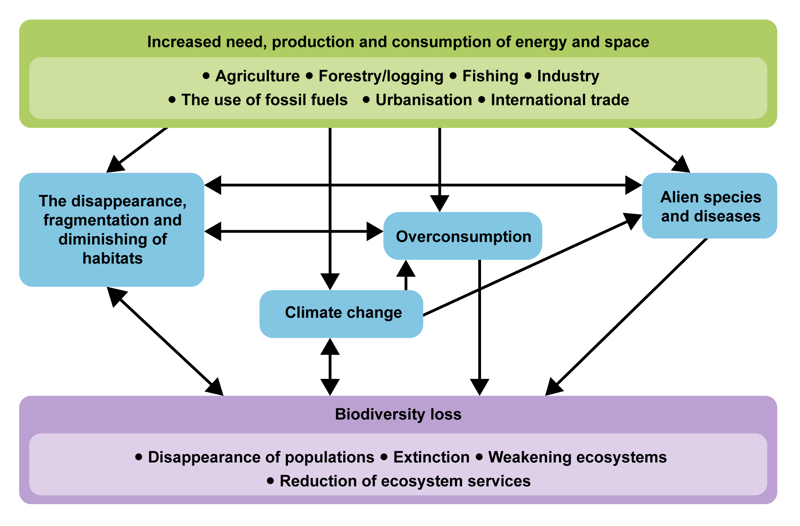
Biodiversity loss caused by humans is reflected at all three levels of biodiversity.
Human activities have directly or indirectly caused the threatened or extinct status of many species. Increased consumption by human societies is the most important underlying cause behind many of the reasons for biodiversity loss.
Climate change also posits a significant threat to biodiversity, as it alters the distribution ranges and habitats of many species.
Habitat loss and fragmentation
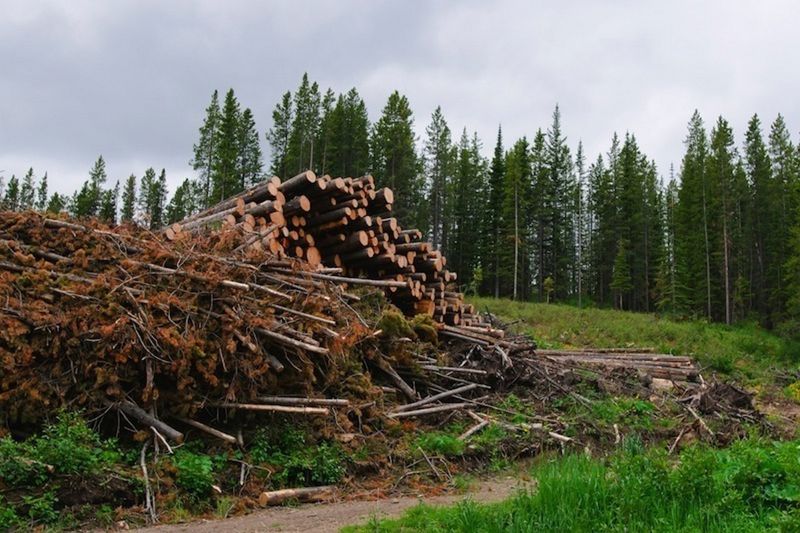
Habitat loss, fragmentation and change are the main causes of biodiversity loss. Humans destroy habitats mainly to make room for agriculture, construction and roads. Forests are felled and peatlands are drained. As a result, different kinds of habitats are growing smaller and gradually becoming lost.
The fragmentation of the range of a species into small, distinct subpopulations can also lead to a break in gene flow between populations. This increases inbreeding, which in turn increases the risk of hereditary diseases, reduces fertility and reduces intraspecific genetic diversity.
Invasive and alien species
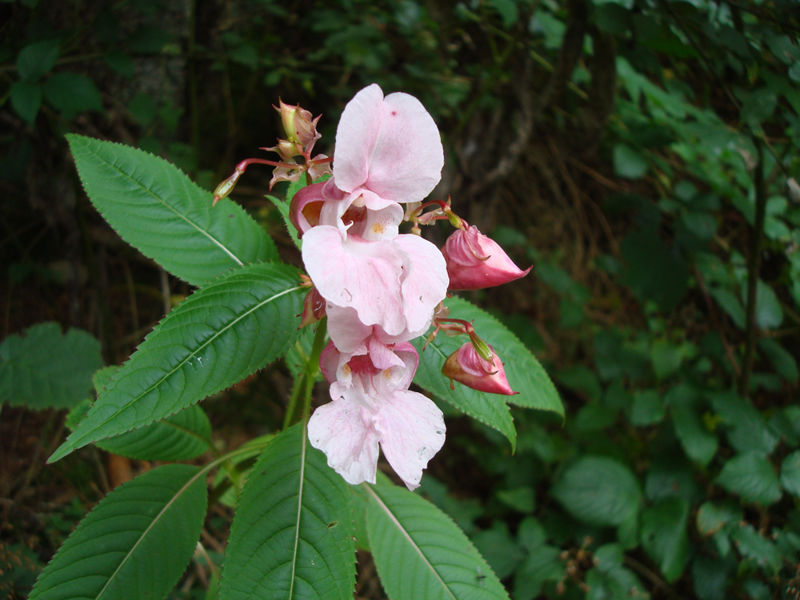
Invasive species are a major threat to biodiversity on the global level. They are a major cause of extinctions of native species. In addition to ecological damage, they can also cause economic harm and health problems.
Invasive alien species are non-native species that have been deliberately or accidentally introduced to a new area by humans. Some invasive alien species cannot survive in their new habitat or do not cause damage to ecosystems. However, invasive alien species can be harmful to the native species in the area if they compete with native species for food and habitat or affect the survival of other species through food chains. They may also prey on native species, spread diseases or interbreed with native species. An invasive alien species may displace a native species if their ecological niches overlap.
Newcomer species are organisms that have spread into an area without the help of humans.
Environmental pollution
Environmental toxins, eutrophication, acidification and air pollution are changing habitats so rapidly that not all organisms have time to adapt. Many harmful chemical substances can reduce a species' well-being and reproductive capacity.
Toxic compounds are enriched in high-degree predators at the top of the food chain, such as seals and birds of prey. For example, in the 1960s and 1970s, environmental toxins (including DDT) threatened the peregrine falcon, which was then classified as a critically endangered species. However, effective conservation measures and restrictions on the use of environmental toxins have saved the peregrine falcon from extinction. Today, the peregrine falcon is classified as an endangered species.
Hunting, overfishing and persecution
Game animals are hunted for food, their fur or their skin. Animals are also killed because of the harm or fear they cause. Species that compete with humans for food or living space are also hunted.
The fishing industry catches fish from Earth’s bodies of water at a faster rate than their populations can regenerate. Through incidental bycatches, fishing harms many species that are not targeted by it, including turtles, seals and dolphins. Undersized individuals and unwanted species are thrown back into the sea dead, even though they make up a large proportion of the catch. Despite international opposition, Norway and Japan still hunt endangered whales, citing scientific research as their reason.

Collecting, laboratory animals, pets, illegal trade and poaching
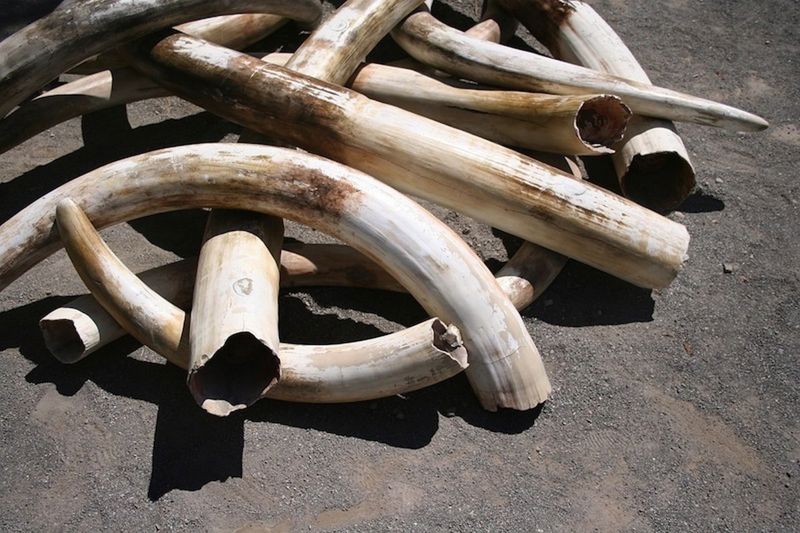
The illegal wildlife trade and associated poaching have driven several species to the brink of extinction. Poaching is the single biggest threat to species such as the tiger, the elephant and the rhinoceros. The body parts of these animals are valued greatly in traditional beliefs and alternative medicine. For example, owning tiger parts is thought to bring good luck to the wearer and to protect against evil.
Although the ivory trade has been banned through international agreements, elephants are still hunted for their tusks. These are used to make valuable objects such as chess pieces and ornaments. In South Africa, rhinoceroses are poached for their horns, which are used to make remedies to cure various ailments in traditional Chinese medicine. Endangered and rare species are also hunted for status foods (e.g. shark fin soup), and many endangered animal species (e.g. the orangutan) are also kept as pets or used as laboratory animals.
The illegal collection and trade of plant and bird eggs from the wild threatens the survival of many species. The Convention on International Trade in Endangered Species of Wild Flora and Fauna (CITES) regulates international trade in 30 000 endangered species, their parts and derivatives.
Climate change
Climate change and habitat loss are the two biggest global threats to biodiversity. Climate change threatens the survival of many species, as organisms are unable to adapt to the rapid environmental changes caused by it, such as changes in rainfall and temperature. In addition, extreme weather events may affect species' ability to thrive and survive.
Climate change is altering local climates and vegetation zones, thus affecting the distribution of organisms on the planet. Species inhabiting the northernmost areas of Earth are most at risk, as their habitats may disappear completely because of global warming. On the other hand, climate change will lead to the introduction of new invasive species. For example, new butterfly species have already spread to Northern Europe from the south, whereas native species have expanded their range northwards as the environmental conditions there have become more suitable for them. Climate change is also altering vegetation, which in turn affects the survival of animal species. Some species are declining, and others are becoming more abundant. This can have unpredictable effects on predator-prey and parasite-host relationships between organisms.
Species traits and endangerment
Factors related to the life cycle and reproductive strategy of a species may increase its vulnerability to environmental changes. Species that produce few offspring, reach maturity late and reproduce infrequently are the most vulnerable. Small population size is also a risk factor, as there is little genetic variation in a small population. Likewise, low levels of genetic variation reduce the population's ability to adapt to environmental changes. The size of a small population can suddenly shrink to only a few individuals (bottleneck effect) due to chance (e.g. natural disasters). As only the surviving individuals get to reproduce, their alleles grow more common in the population, reducing the population’s overall variation (genetic erosion).
Some species occur only in certain small geographical areas. Such endemic species are common especially on remote islands.
Apex predators found on the very top of the food chain can suffer from reproductive disorders caused by the enrichment of environmental toxins. Species with a narrow tolerance range for a certain environmental factor are also sensitive to environmental change. For example, salmonids are sensitive to changes in the acidity of water.
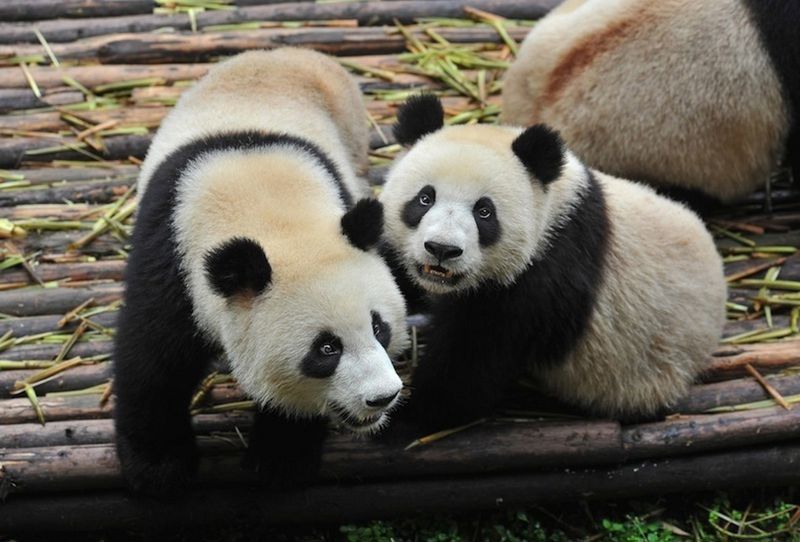
Some species are food specialists that have a very narrow ecological niche. For example, the giant panda specialises in only a single food plant, the bamboo. The availability of food is a significant problem for giant pandas in the wild, as the bamboo plant dies after flowering. It can take years for new bamboo growth to regenerate in a certain area. It is becoming increasingly difficult for pandas to move into new bamboo areas due to the loss of suitable habitats. The great panda is a critically endangered species that is protected by linking isolated populations through protected areas known as bamboo corridors. Other endangered mammals include the tiger, the Asian elephant, the rhinoceros, the orangutan and the polar bear.
Summary
- Human activity is the main cause behind the extinction wave we are witnessing today.
- Endangered species include species whose conservation status is vulnerable, endangered and critically endangered. A species is considered to be of least concern if its population is stable.
- Human activity reduces biodiversity in many ways.
- The destruction and fragmentation of habitats reduce biodiversity.
- Invasive alien species can adversely affect the native species of an area.
- Environmental pollution threatens many organisms.
- Hunting and gathering threaten the survival of many species.
- Climate change indirectly threatens many species.
- Species with a narrow tolerance range or a restricted ecological niche are the most vulnerable to environmental changes.